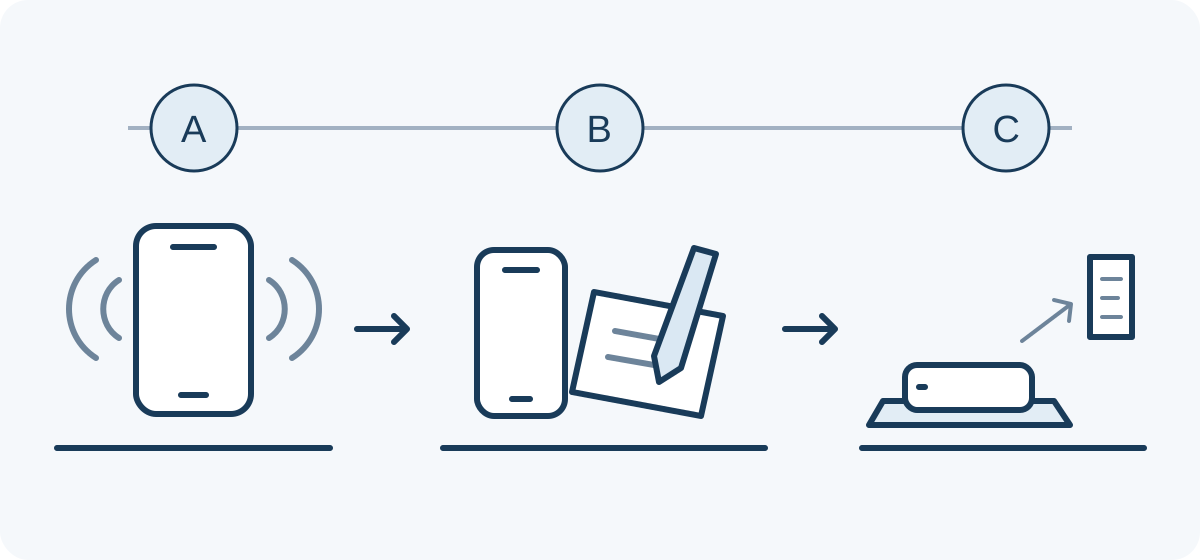
An invented desk example. A, B and C are moments, not three required tasks or stages of quitting. Choose a change that fits the call.
- A · Before answering
The ring: answer in the chosen place, without picking up cigarettes.
- B · During the call
The listening time: a resting hand or an optional pen, without dividing attention.
- C · After hanging up
Put the phone down and return to the next task instead of the old smoking route.
Why the call can feel connected to a cigarette
NCI lists talking on the phone among pattern triggers: activities that have become associated with smoking. The NHS also lists it among routine triggers. This describes a possible learned link, not a diagnosis of the cause of your particular urge. The topic, feelings and other factors may also matter.
Recall one ordinary call without replaying its content. Was your hand already reaching at the ring? Did you walk towards the old smoking spot while listening? Or did you look for a cigarette only after hanging up? Choose the moment you actually remember; if it is unclear, start with one small, feasible change next time rather than inventing a history.
A short work call: keep the change compatible with the job
Fictional example: a brief work call arrives at a desk where you used to pick up cigarettes. Before the next expected call, leave the phone where you can answer and keep your own cigarettes away from that surface. There is no need to delay a necessary call to set up an exercise.
During the call, stay at the desk if that suits the work. Use a pen only if you already need one or can hold it without distracting yourself; resting the free hand on the desk is also an option. If you need both hands or full attention, omit the hand activity rather than adding a competing task.
After hanging up, put the phone down and reopen the work you paused. That closing step targets the walk towards cigarettes after the call. If the urge started earlier, a closing step alone may not address the moment you meant to change.
A long private call: prepare a place and a way back
Another fictional example: you tend to pace towards the balcony during a long chat. Before dialling, choose an ordinary smoke-free place where you can hear and speak privately. Keep your own smoking items elsewhere; do not rearrange someone else's belongings. Moving the call must not expose it to people who should not hear it.
During listening pauses, you could draw simple lines with a pen if that does not interfere with listening. You can also sit without holding another object. If you prefer walking and can do so safely, choose a route that does not take you to the smoking place. This is not a requirement to stay perfectly still.
Beforehand, choose a next activity such as putting the phone on its tray and returning to a book. You do not need to know when the call will finish. When a conversation needs to continue, let it continue; the plan is not a timer for how long feelings or urges are allowed to last.
An unexpected or difficult call needs a smaller version
If the phone rings before anything is prepared, answer according to your usual responsibilities and safe arrangements. You can choose just one available change: not taking cigarettes with you, or putting the phone down at the end before going to the next task. Do not record the call or interrupt an essential conversation to complete a worksheet.
After an upsetting exchange, use a simple transition before deciding what to do next: set the phone down, sit somewhere suitable, or contact a person you want to speak with. A different location or pen cannot resolve threatening calls or distress that needs professional help. If you are driving or operating equipment, do not add this exercise; follow the relevant safety procedure.
Review the link, not the caller
After one example, ask ‘Which planned action was available?’ and ‘Where did I still move towards cigarettes?’ Perhaps the desk worked during the call, but you went to the old spot immediately afterwards. Next time, change that transition instead of making a longer checklist. You can remember this without saving a call log, caller, topic or recording.
Persistent difficulties or personal care questions deserve qualified support, not a conclusion from one call. In England, the NHS finder locates stop-smoking support by town or postcode; check current access directly with the service. Elsewhere, use your local official resources.
What to keep in mind
Common questions
Does a long call prove that the urge will be stronger?
No. Length alone cannot tell you the cause or strength of an urge. Plan around the situation you actually notice, without giving it a fixed duration.
Does a headset solve the problem?
It may change which hand holds the phone, but not necessarily where you walk or what you do afterwards. Use equipment that fits the call and your responsibilities, then consider the relevant part of the routine.
Must I write something after every call?
No. One familiar type of call and one practical change are enough to start. If a private reminder helps, write the action, not a caller's name, number, message or conversation details.
Sources
The central claims on this page were checked against the sources below.
- National Cancer Institute: Know Your Smoking Triggers
Sources checked: 2026-10-01
- NHS: Understand your smoking triggers and cravings
Sources checked: 2026-10-01
- NHS (England): Find stop-smoking support services
Sources checked: 2026-10-01
General adult routine planning, not a diagnosis, treatment or promise about cravings or smoking. Examples and diagram are fictional. No call recording, contact import or personal information is needed; safety and necessary communication take priority.