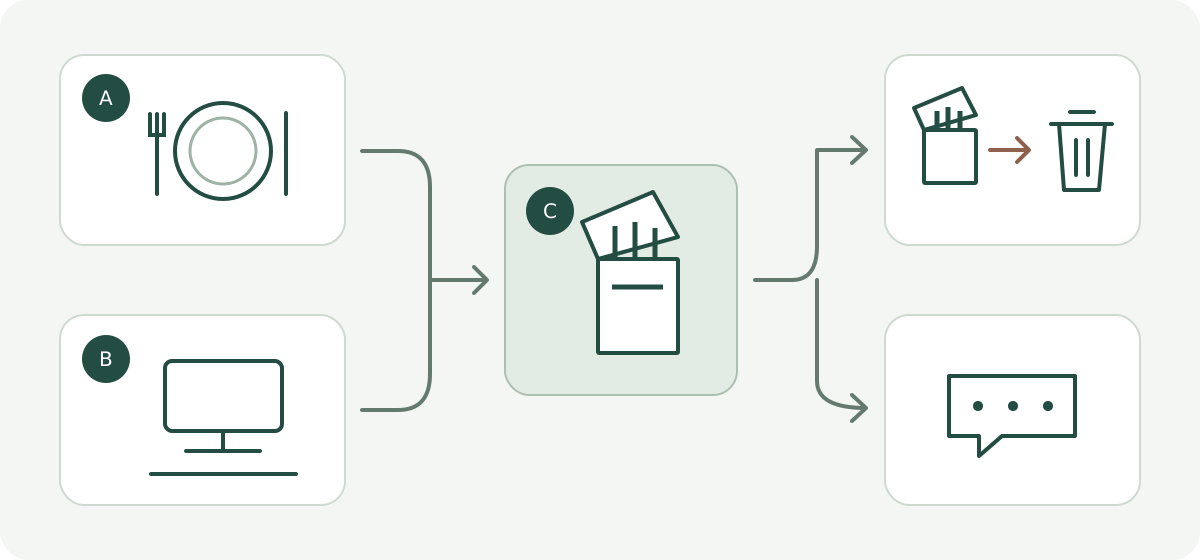
Compare the two scenes in the example: the same pack is available in both. Changing that link and asking for a wider conversation can go together.
- A / B · Two different settings
Meal and work break differ; compare the actual route to the cigarette.
- C · Shared access
In this example the person’s own pack is available in both. That is an observation, not a diagnosis.
- Two responses, not two stages
Change a controllable link and ask for a broader review. You do not have to wait for another episode before contacting support.
Look across episodes, not just at the last cigarette
NCI and NHS recommend reviewing the circumstances of a setback. For repeated episodes, distinguish the setting from the route to smoking: a dinner and a work break may look different, yet both may involve following others outside and accepting a cigarette.
Choose two or three situations you remember well; that is a way to keep the review manageable, not a clinical threshold. Compare what happened just before smoking, where the cigarette came from and what you had planned to do instead. Missing details can remain unknown.
Check whether the alternative was actually available
A plan can sound sensible but arrive too late. ‘Phone a friend’ may not cover an evening when the friend is at work. ‘Take a break elsewhere’ may not name a place you can use. ‘Don’t carry cigarettes’ leaves a gap if every break includes offers from colleagues.
Choose a change at the repeated link: agree beforehand that a colleague will not offer tobacco, identify a usable smoke-free break space, or prepare an action that does not depend on someone replying. These are editorial planning examples, not a tested recipe or a guarantee.
A comparison that leads to a different plan
Fictional example: after dinner with friends you smoke; during an office break you smoke again. In both cases you carried your own pack. Your planned alternative was a chat with someone, but in one case they were absent and in the other they were busy. The common link is not simply ‘social occasions’: the pack and the unavailable alternative appear in both.
A possible revision is to dispose of your own remaining tobacco and choose the break’s first task before the break begins. For the meal, that could be helping clear up; for work, getting water in the smoke-free kitchen. Keep the part that was useful—taking a real break—rather than abolishing every break or all social contact.
When the pattern is broader, widen the conversation
BIÖG’s guidance on a return to smoking asks people to look beyond the individual event at their life situation and what was missing. If the episodes have little in common, or your preparation repeatedly proves unusable, do not force them into a single explanation such as ‘stress’.
Ask a qualified service to review the broader picture with you. Prepare a short account of the recurring difficulty, the alternatives tried and the obstacle: ‘I plan to leave the group, but my work break happens in the same smoking area.’ This is a starting point for a conversation, not a self-diagnosis.
Turn ‘get help’ into one reachable contact
In England, the NHS directory can help you find a local Stop Smoking Service. Contact it first to check availability and ask: ‘Smoking keeps returning during my quit attempt. Can we review what is not covered in my current plan?’ In another country, use a local health authority or qualified professional rather than assume this directory applies.
If you have used a service before, returning with the difficulty is different from repeating the entire attempt unchanged. Tell the professional about any medicines used and questions or unwanted effects; do not change a dose yourself based on this article. You do not have to report personal details on this website.
What to keep in mind
Common questions
How many lapses mean I need professional help?
This page sets no count. You can ask whenever you want support, and recurrence is a reason to look at the plan more broadly. Programme or research definitions are not a universal rule for when somebody is allowed help.
What if each episode has a different trigger?
Do not invent one cause to make the notes tidy. Compare access to tobacco and whether alternatives were available, then bring the differences to a qualified service. Sometimes the useful next step is a wider conversation rather than one more scene-specific rule.
I have already had support. Should I just repeat it?
Bring back the part that did not fit: appointment access, a recurring situation, difficulty using the agreed approach or a medicine question. The service can review its approach with you. This page does not choose a new treatment or say the previous one was ineffective.
Sources
The central claims on this page were checked against the sources below.
- US National Cancer Institute / Smokefree.gov: Get Back on Track After a Setback — review without self-blame
Sources checked: 2026-10-01
- NHS Better Health: Get back on track after a smoking relapse — review and qualified support
Sources checked: 2026-10-01
- Bundesinstitut für Öffentliche Gesundheit (BIÖG): Nicht ganz geschafft? — definitions and wider pattern review
Sources checked: 2026-10-01
- NHS Better Health: Find your local Stop Smoking Service — England
Sources checked: 2026-10-01
General education and editorial planning examples, not a diagnosis, a treatment selection or a promise to prevent recurrence. Keep optional notes private on paper. Personal medical and medication questions belong with a qualified local professional.