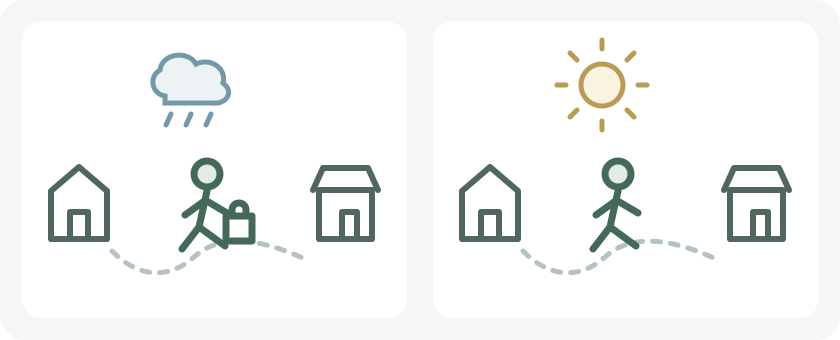
Wholly fictional comparison, not a test, research results or a recovery sequence. Neither scene shows a measured outcome.
- Matching paths
The same destination and route can remain while other circumstances change.
- Bag and weather symbols
Different demands or surroundings belong in the description; these symbols do not diagnose an effect.
- No outcome score
The illustration cannot attribute a feeling to quitting or rank someone's recovery.
Start with what actually happened
Wholly fictional example: on one trip to the corner shop, a person hurried with a heavy bag; on another they went at an unhurried pace without it. The second trip felt easier. The destination is the same, but the demands were not. Even walking the same route does not isolate smoking from pace, load or pauses.
Weather belongs in the context too. Asthma + Lung UK's hot-weather information explains that heat, humidity, pollen and pollution can affect symptoms in people with lung conditions, but not everybody is affected. A weather difference is something to mention, not an automatic diagnosis or a reason to dismiss a breathing problem.
Separate completion, feeling and why you stopped
‘I completed the errand’, ‘I felt less breathless’ and ‘I stopped because my legs hurt’ answer different questions. The 2012 ATS statement separates breathing sensation from its impact on activities; it also notes that fatigue or leg discomfort can coexist with breathlessness. Completing more does not by itself establish that breathing discomfort fell, and stopping is not always caused by the lungs.
If you want to remember a change, a private sentence about an activity that already happened is enough: what you did, relevant circumstances, how it felt and why you paused or stopped. Note uncertainty rather than assign a recovery percentage. Similar circumstances improve the description, not establish a diagnosis or prove that quitting caused the difference.
Observation is not an invitation to push further
Do not repeat a route as a challenge, increase speed or load, time yourself, hold your breath or seek a symptom limit to confirm recovery. Nor should you remove needed rests or supports to make the comparison ‘fair’. If a clinician has given you an activity plan, follow that professional route rather than alter it from this example.
New or worsening breathlessness during ordinary activities needs professional assessment. Severe difficulty breathing, heavy or tight chest discomfort, or sudden confusion needs emergency help. Do not wait to collect more comparable trips. For separate quitting support in England, NHS local services provide a route; confirm access. This page takes no activity log, symptoms, location or health readings.
What to keep in mind
Sources
The central claims on this page were checked against the sources below.
- American Thoracic Society: Parshall et al. (2012): ATS statement — dyspnea domains and activity impact
Sources checked: 2026-10-06
- Johns Hopkins Medicine: Breathlessness: everyday context (review May 25, 2026)
Sources checked: 2026-10-06
- Asthma + Lung UK: Hot weather and your lungs: contextual influences, not everybody is affected
Sources checked: 2026-10-06
- Centers for Disease Control and Prevention: Benefits of quitting: respiratory symptoms at population level
Sources checked: 2026-10-06
- NHS: Shortness of breath: new or worsening symptoms and urgent help
Sources checked: 2026-10-06
- NHS: Ready to quit smoking: support in England
Sources checked: 2026-10-06
General observation education, not an exercise prescription, activity test, diagnosis, fitness target or personal recovery forecast.